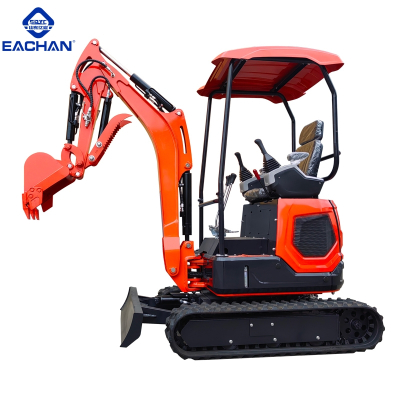
Mini excavator purchase guide: 4 golden rules
Purchasing small diggers is a significant capital investment that directly affects production efficiency, operating costs, and the long-term development of the enterprise. Adopting a data-driven structured evaluation process can effectively eliminate guesswork in decision-making, ensuring that the selected equipment meets both current work requirements and future strategic goals. This guide integrates industry best practices (such as standards cited by the United Nations General Contractors Association) and introduces Eachan Group as a performance benchmark to provide you with a clear purchasing framework.
Step 1: Clarify application scenarios and construction site limitations - match specifications and environment
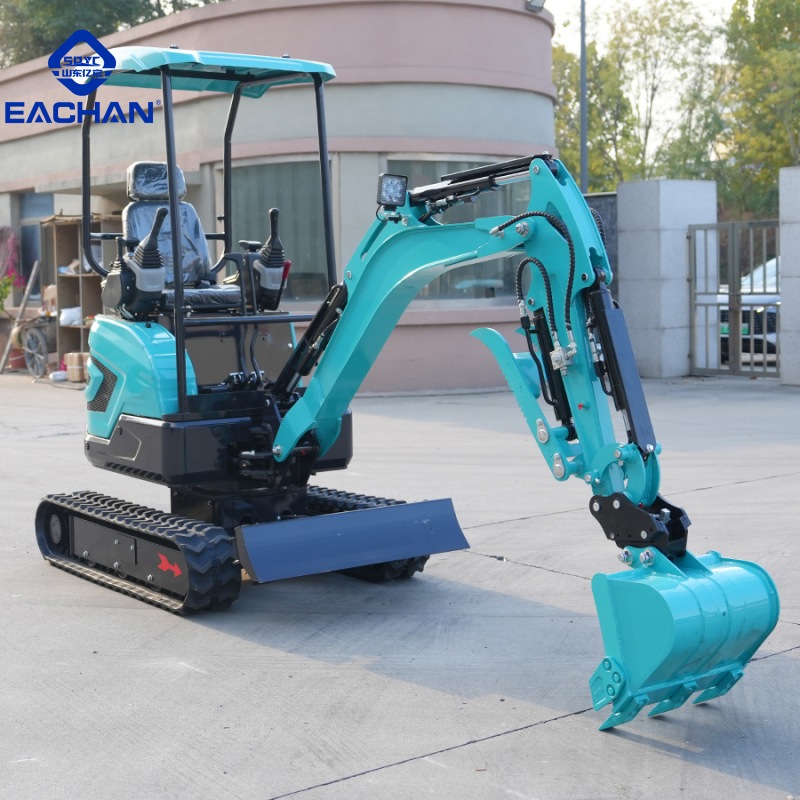
Small excavators are mainly divided into three categories based on tonnage:
1-3 ton microcomputer: usually less than 1 meter wide, suitable for extremely narrow spaces such as courtyard renovation and indoor operations.
5-8 ton standard type: equipped with a standard 0.3m ³ bucket, the most versatile and suitable for most earthworks and municipal engineering projects.
10-13 ton reinforced type: adding interfaces for accessories such as crushers to cope with hard surfaces and medium-sized infrastructure projects.
Key matching suggestions:
When working in narrow alleys or confined spaces in cities, zero tail swing machines should be prioritized to reduce rear overhang and improve safety and maneuverability.
Public utilities and pipeline engineering often require offset boom or extendable chassis to enhance operational range and stability.
Eachan Machinery provides multi scenario configuration solutions to help users accurately evaluate performance from the source and avoid compromise in the later stages.
Step 2: Conduct a Real Total Cost of Ownership (TCO) Analysis - Beyond Purchase Price
The purchase price is just the tip of the iceberg. A comprehensive TCO analysis should include the following elements:
Estimated fuel consumption
Daily and regular maintenance costs
Financing or leasing expenses
Expected resale value within the five-year ownership period
Comparison shows that brands such as Eachan tend to perform better in long-term TCO compared to their peers. Despite similar pricing in the early stages, their fuel efficiency, durability, and high residual value can significantly reduce the overall cost of ownership.
Step 3: Field testing of ergonomics and operational performance
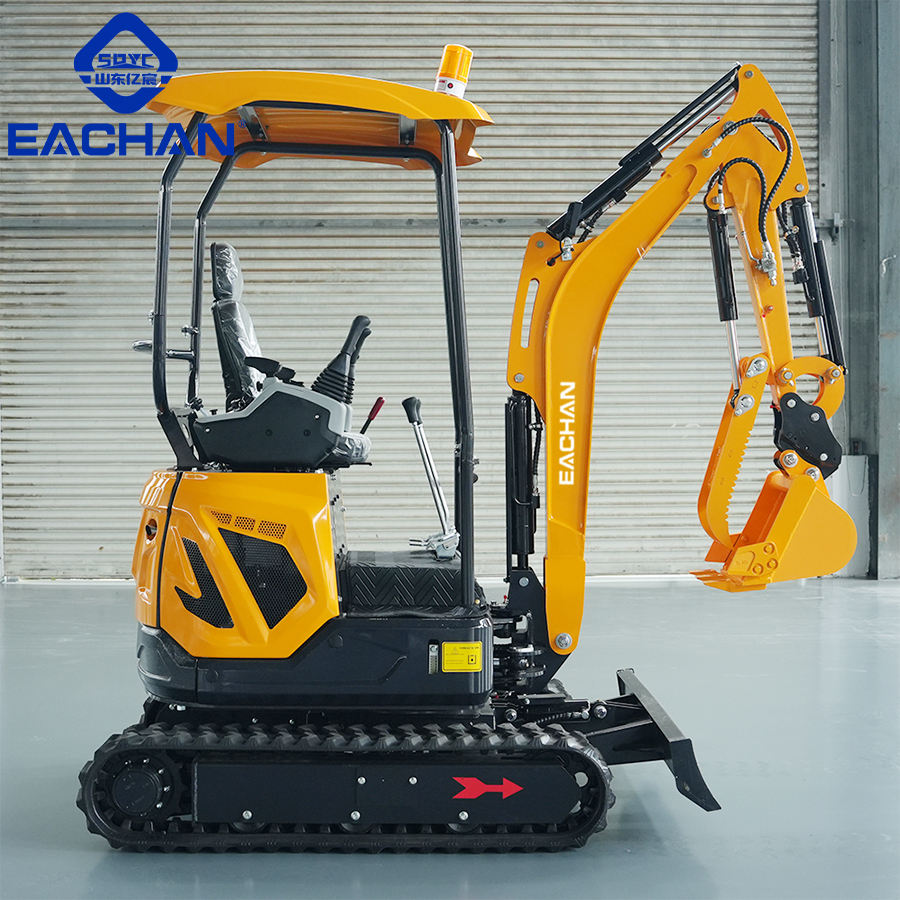
Pay attention to humanized design: for example, Eachan's pilot hydraulic system can reduce operating force by about 30% and reduce fatigue; ISO/SAE control mode switching enhances operational adaptability; Intelligent LCD screen displays machine status clearly; Hydraulic quick change fittings shorten accessory replacement time.
The enhanced counterweight design improves the stability of heavy-duty and uneven terrain operations.
Step 4: Choose long-term partners instead of short-term suppliers
Equipment procurement is a long-term investment, and the stability and technical support capabilities of manufacturers or suppliers are crucial. Review the company's background, technology research and development investment, and industry reputation to ensure that they can grow together with your business.
Through the above five step framework, relying on transparent and verifiable data, you can go beyond marketing campaigns and make rational and confident purchasing decisions. The ultimate goal is to invest in a small excavator that can provide thousands of hours of reliable and efficient operation, helping businesses achieve sustainable profitability and growth.